
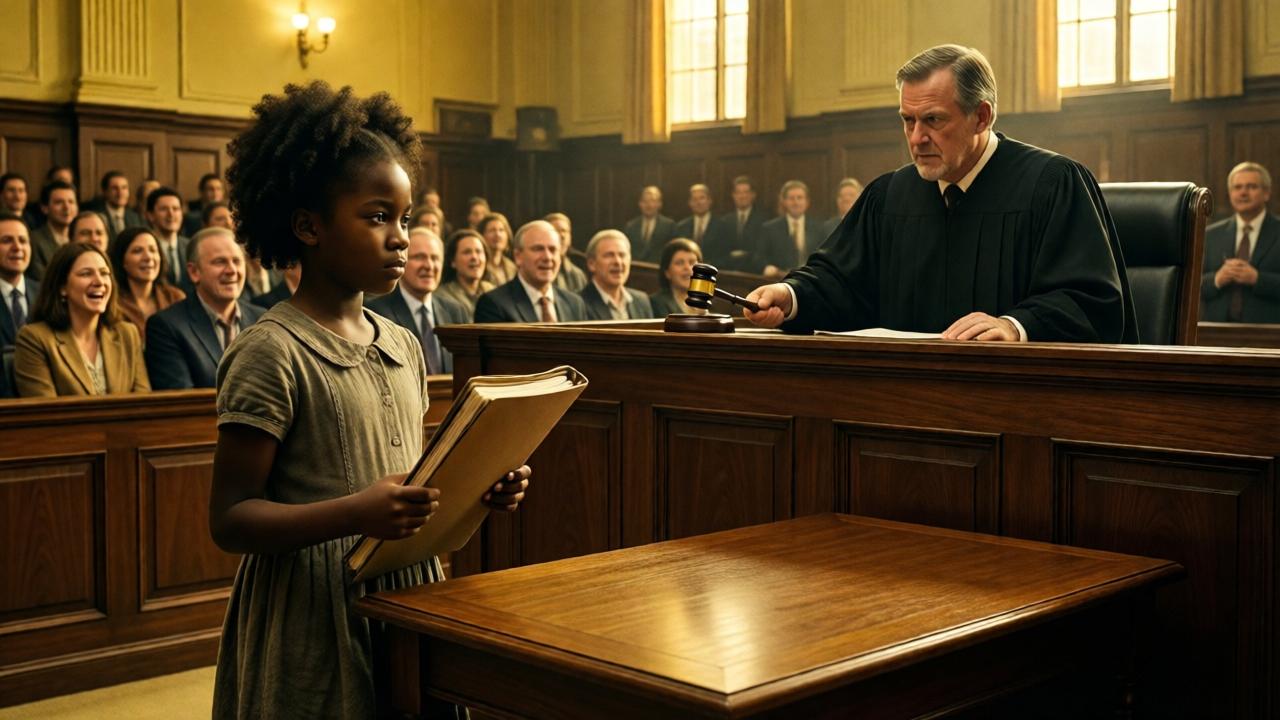
Shut your mouth, little black girl. You don’t speak in my courtroom. Judge Harold Whitmore slammed his gavel so hard, the sound cracked through the room like a gunshot. He stared down at the nine-year-old black girl standing at the defense table, his lip curled in disgust. A child playing lawyer in my court. He turned to the gallery, arms spread wide, laughing. What’s next? A dog on the witness stand? The court erupted. Laughter bounced off every wall. You’re embarrassing your criminal father. And I promise you he’s going to rot in prison. There’s nothing you can do about it.
Brianna Lawson didn’t sit. She opened a thick binder and said quietly, With all due respect, your honor, you’re wrong. Sixty minutes later, that same judge would be sitting in silence, face white, hands trembling, unable to speak. What did this little girl know that terrified the most powerful man in the courtroom? Jefferson Falls was the kind of small Southern town where everybody knew everybody. And everybody knew their place. Oak trees older than the courthouse lined every street. The air smelled like cut grass and engine oil. And if you were black, you learned early that some doors were open to you and some were not.
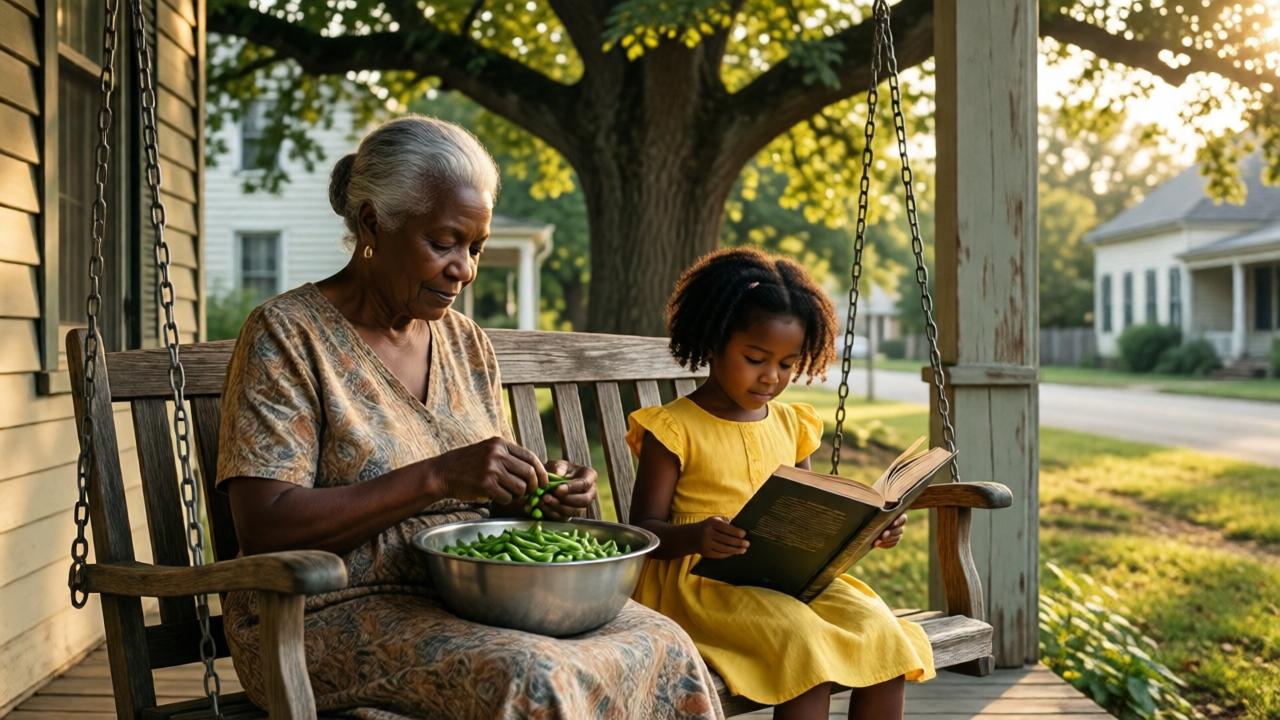
Brianna Lawson learned that lesson before she could ride a bicycle. She was nine, quiet as a shadow, and strange in the way that smart children are often called strange. While other kids chased each other around the schoolyard, Brianna sat under a tree reading books no nine-year-old had any business reading. Not storybooks. Books about rules, about laws, about rights. Her grandmother started it. Gloria Lawson, a retired schoolteacher with a spine of steel, had raised Brianna after her mother passed. Gloria taught Brianna that knowledge was the only weapon that couldn’t be taken away.
Gloria would sit on the porch swing, shelling peas, and say, Baby, the law is a language. Some folks speak it, and some folks don’t. But if you learn it, you can talk back to anyone, even a judge. Brianna took those words to heart. She memorized amendments, studied case law, and practiced arguments in front of the bathroom mirror. When her father, Marcus Lawson, was arrested for a crime he didn’t commit — a stolen truck that had been planted in his garage — Brianna knew she had to act. The public defender was overworked and indifferent. The prosecutor was a bulldog. And the judge was Harold Whitmore, known for his harsh sentences and open racism.
- Brianna’s grandmother taught her the law was a language that could be spoken back to power.
- Marcus Lawson was framed with a stolen truck planted in his garage by a corrupt police officer.
- Judge Whitmore had a history of dismissing black jurors and using racial slurs in chambers.
- Brianna spent three weeks preparing her defense, using library books and online legal databases.
On the day of the hearing, Brianna wore her Sunday best — a blue dress with white lace collar, her hair in neat braids. Her grandmother held her hand as they walked into the courthouse. The courtroom was packed. Whitmore looked down at her with barely concealed contempt. But Brianna was ready. She pulled out her binder, which contained a detailed motion to dismiss based on a technicality: the search warrant for her father’s garage had been signed by Whitmore himself, despite the judge having a personal relationship with the arresting officer, a clear conflict of interest under state law.
Brianna quoted the statute directly: Section 14-8 of the state code prohibits a judge from issuing a warrant where there is a personal or financial interest. Your honor, you played golf with Officer Daniels last weekend. He’s your neighbor. The warrant is invalid. Whitmore’s face went pale. He stammered, That’s — that’s a coincidence. It doesn’t prove anything. But Brianna wasn’t finished. She pulled out a photograph — a photo of Whitmore and Daniels laughing at a country club, dated three days before the warrant was signed. And then she dropped the bombshell: a sworn affidavit from a court clerk stating that Whitmore had bragged about putting another black man away.
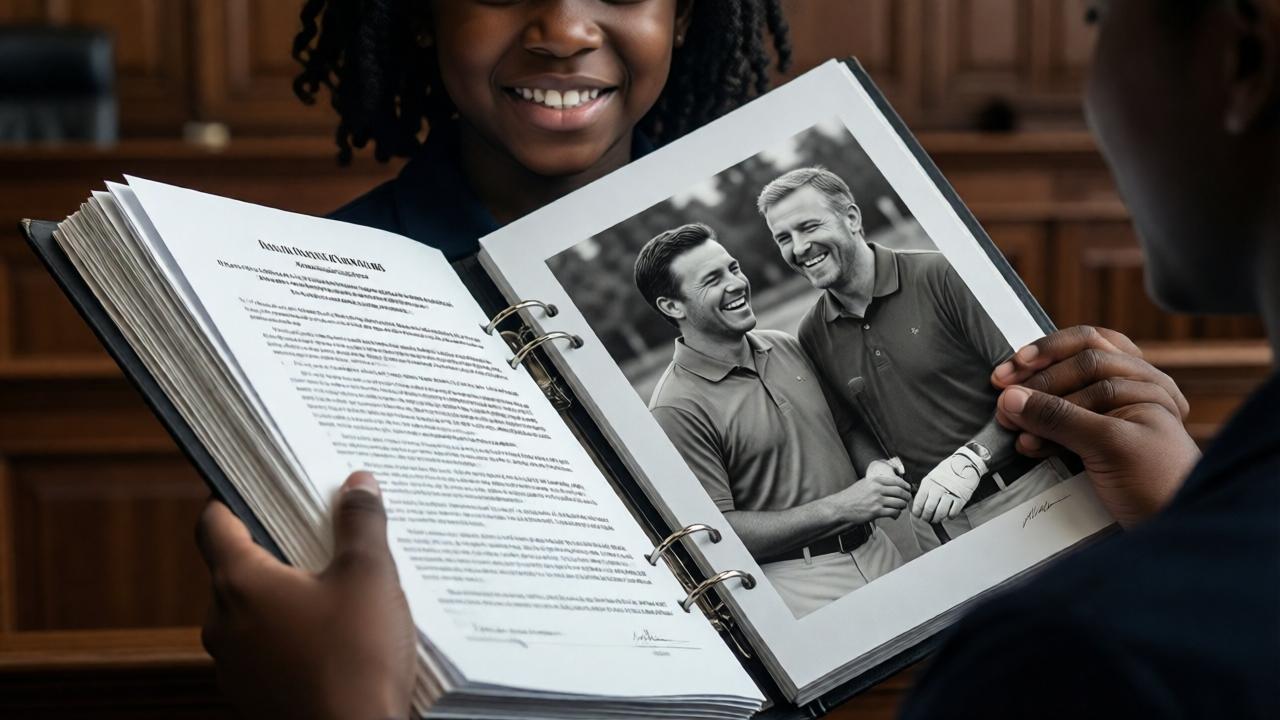
The courtroom fell silent. Whitmore’s hands trembled as he looked at the evidence. Brianna’s voice was steady: Your honor, you have violated the oath you took to uphold the law. You have shown bias against my father because of his race. I ask that you recuse yourself and dismiss all charges. The prosecutor tried to object, but Whitmore just sat there, staring. After a long, agonizing pause, he whispered, Case dismissed. The gallery erupted — not in laughter this time, but in gasps and tears. Marcus Lawson was free. And Brianna Lawson, age nine, had done what no lawyer in Jefferson Falls had ever done: she had silenced Judge Harold Whitmore.
As they walked out of the courthouse, Gloria squeezed Brianna’s hand. You did good, baby. Real good. Brianna looked up at the oak trees lining the street and said, Grandma, we’re not done. There are more judges like him. And I’m going to learn how to talk back to every single one. The story of Brianna Lawson didn’t end in that courtroom. It became a legend, passed down through the town. And years later, when Brianna graduated from law school, she returned to Jefferson Falls — not as a child, but as a lawyer ready to change the world, one case at a time.