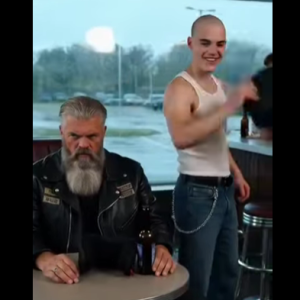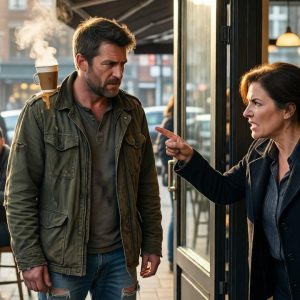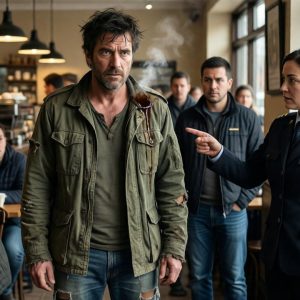

The Texas sun was brutal that Sunday morning, but Calvin Briggs had already endured worse. He stood in the middle of the Ridgecrest Polo Club clubhouse, his work boots planted firmly on the polished concrete floor, as Roger Ashby’s voice cut through the air like a lash. “You’re not paid to make decisions, you’re paid to pick up balls. Clean out your locker.” The words hung there, heavy and final. Calvin didn’t flinch. He had walked six miles home the night before, through the heat and dust, after giving up his only ride to a stranger. Now, he was being fired for it. He turned and walked to his locker, his jaw set, his heart quiet.
The clubhouse fell silent as Calvin gathered his things. A few of the younger grooms looked away, embarrassed. Garrett Holloway, the young player whose broken wrists had set this whole chain in motion, was still in the hospital, his family at his bedside. Nobody knew that Calvin had carried him off the field, that he had said to his co-worker, “Take him to the ER, I’ll figure it out.” Nobody knew because Calvin hadn’t told them. He wasn’t the type to ask for credit. He just did what needed to be done. As he stuffed his worn cap into his bag, he paused, then turned back to face Roger. “I didn’t leave my post,” he said quietly, his voice steady. “I just figured out where my post actually was.”
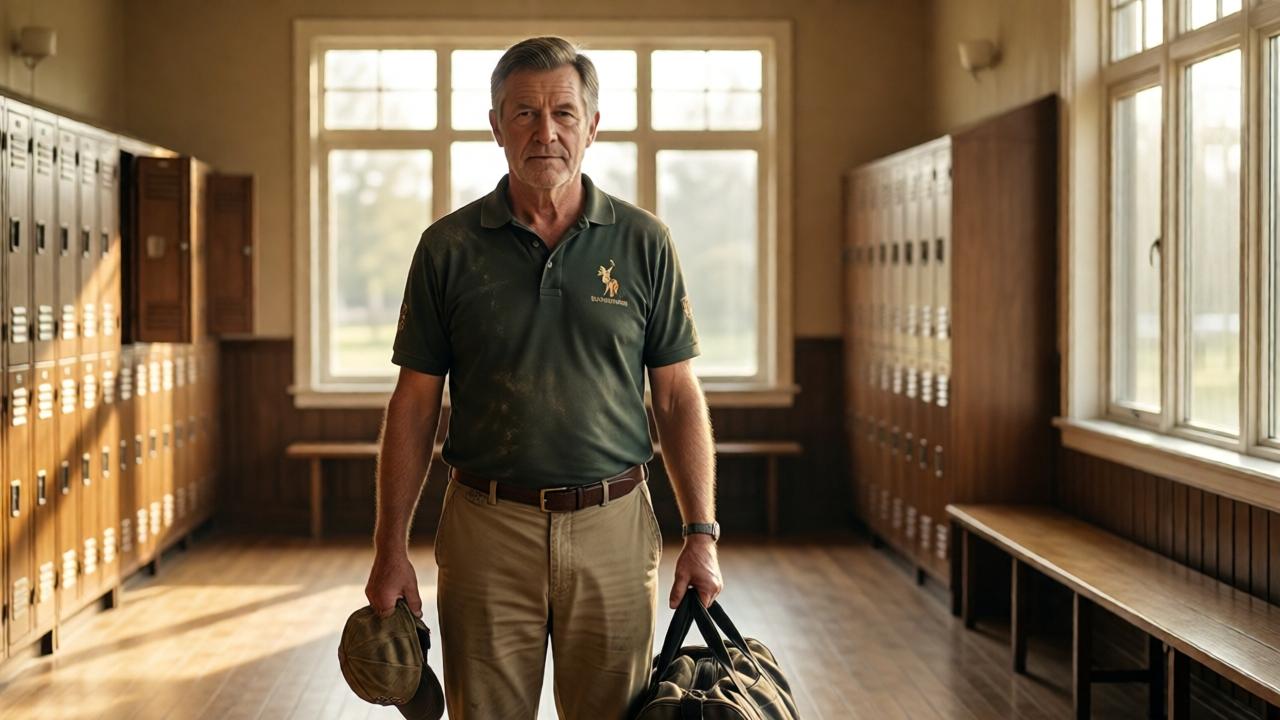
Roger Ashby sneered, crossing his arms. “Your post was the field, picking up balls. Not playing hero.” But something in Calvin’s words lingered, a seed of doubt that Roger quickly crushed with a wave of his hand. Calvin didn’t argue. He just nodded once, slung his bag over his shoulder, and walked out into the blazing heat. The parking lot was empty. No car, no ride. He started walking again, the same six-mile stretch he had walked the night before, but this time without even the hope of a job at the end of it. The asphalt shimmered, and the cicadas buzzed their indifferent chorus.
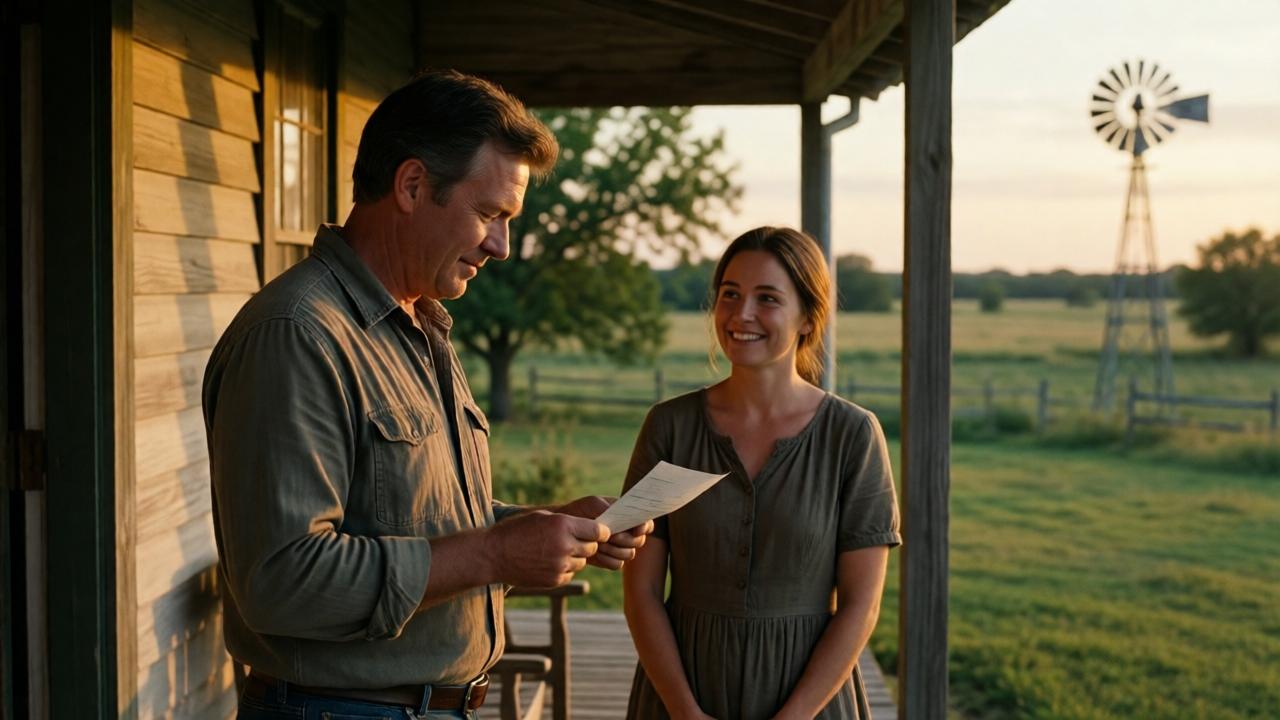
Three days later, a letter arrived at Ridgecrest Polo Club, addressed to Calvin Briggs. It was from the Holloway family. Garrett’s father, a prominent Austin businessman, had heard what Calvin did. He had also heard about the firing. The letter was brief but warm: “We don’t know your full story, but we know you helped our son when others stood still. Please call us.” The receptionist, a kind woman named Marta who had always liked Calvin, slipped the letter into her purse. She drove to Calvin’s small rented room on the edge of town that evening. “Calvin, you need to read this,” she said, handing it over.
- Calvin’s act of kindness went viral in the tight-knit polo community
- Garrett Holloway made a full recovery and publicly thanked Calvin
- Roger Ashby faced backlash for prioritizing protocol over humanity
- Calvin was offered a new job as head groundskeeper at a rival club
Calvin read the letter twice, then folded it carefully and placed it on his small wooden table. “I didn’t do it for thanks,” he said quietly. Marta shook her head. “Maybe not. But that doesn’t mean you don’t deserve it.” The next morning, Calvin called the number. Garrett’s father, Thomas Holloway, answered on the first ring. “Mr. Briggs, I want to offer you a job. Not picking up balls. Managing the grounds at my private estate. You’ll have a house, a truck, and a salary that reflects your worth.” Calvin was silent for a long moment. “I don’t know what to say,” he finally managed. “Say yes,” Thomas replied, and Calvin did.
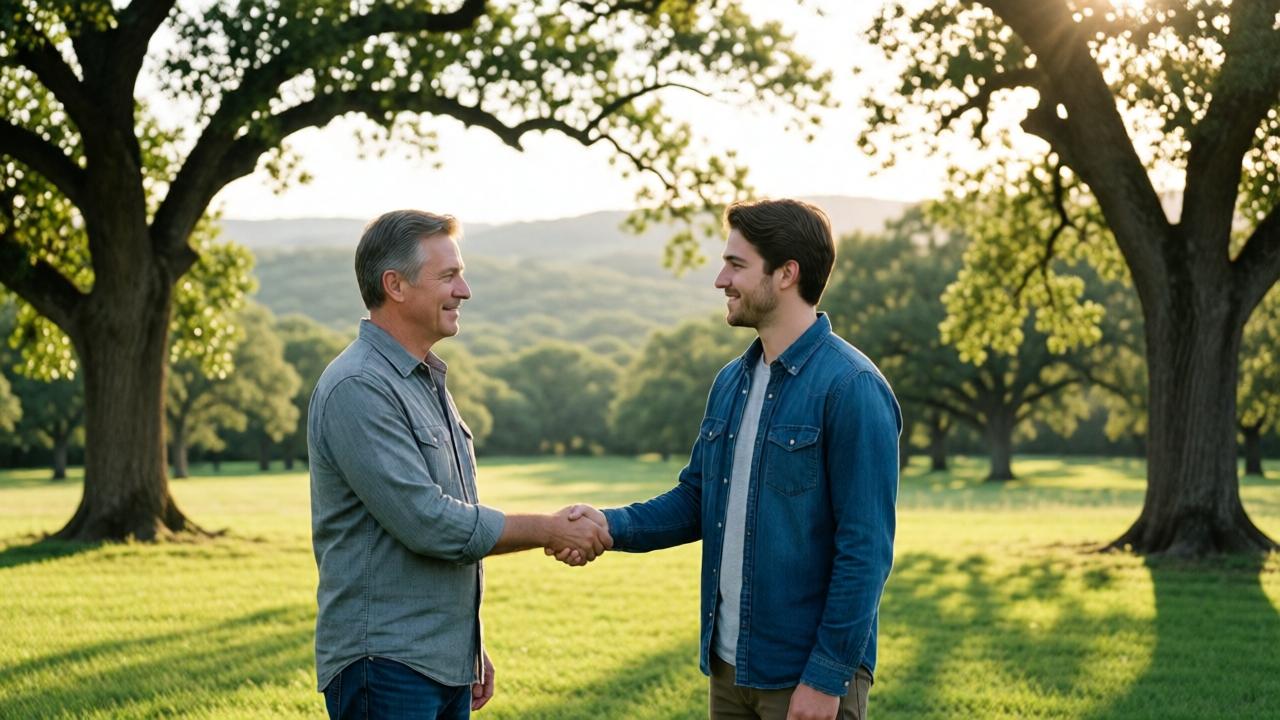
A month later, Calvin stood on the lush green grounds of the Holloway estate, a place of rolling hills and ancient oaks. He had a small but tidy house, a reliable truck, and a job he loved. Garrett Holloway, his wrists healed, walked up to him one afternoon. “I never got to thank you properly,” Garrett said, extending his hand. Calvin shook it firmly. “You don’t have to. I just saw someone who needed help.” Garrett smiled. “My father told me what you said to Roger. About figuring out where your post was. That stuck with me.” Calvin nodded, looking out over the land. “Some posts aren’t marked on any map.”
Roger Ashby, meanwhile, found himself increasingly isolated. The polo community talked. Members whispered. A few of the younger staff quit, citing a toxic culture. Ridgecrest lost two major clients. Roger tried to defend his decision, but the story of the ball retriever who walked six miles to help a stranger had taken on a life of its own. It was shared in locker rooms, at dinner tables, in online forums. Calvin never spoke ill of Roger, but the truth didn’t need embellishment. It was simple: a man did the right thing, and another man punished him for it.
One evening, Calvin sat on his new porch, watching the sun sink below the horizon. A glass of iced tea sweated in his hand. He thought about the walk home that night, the heat, the silence, the dust in his shoes. He thought about Roger’s voice, sharp and dismissive. And he thought about the quiet satisfaction of knowing he had done what was right, even when it cost him everything. “I guess some things are worth walking for,” he said to himself, and the wind carried his words away into the Texas night.