

The air in the CEO’s office was still, thick with the scent of polished wood and expensive perfume. Clare stood frozen, her mind struggling to reconcile the elegant, powerful woman before her with the disheveled, demanding stranger from the car. “Please, sit,” the CEO said, her voice now warm and steady, a stark contrast to the weak plea for coffee. Clare sank into the plush chair, her heart hammering against her ribs.
“I imagine you have questions,” the CEO began, leaning forward. “That day, I was having a severe hypoglycemic episode. The sugar in that coffee you fetched, despite my… ungrateful complaints, quite literally saved me from a hospital trip. But it was your character I was testing, Clare. The refusal to help when you were in a hurry was human. The decision to turn back was extraordinary.” Clare listened, the pieces slowly clicking into place. “The warm coffee, the lack of cream—they were deliberate inconveniences,” the CEO continued. “I needed to see if your kindness had limits, if it was conditional on gratitude. You passed every test.”
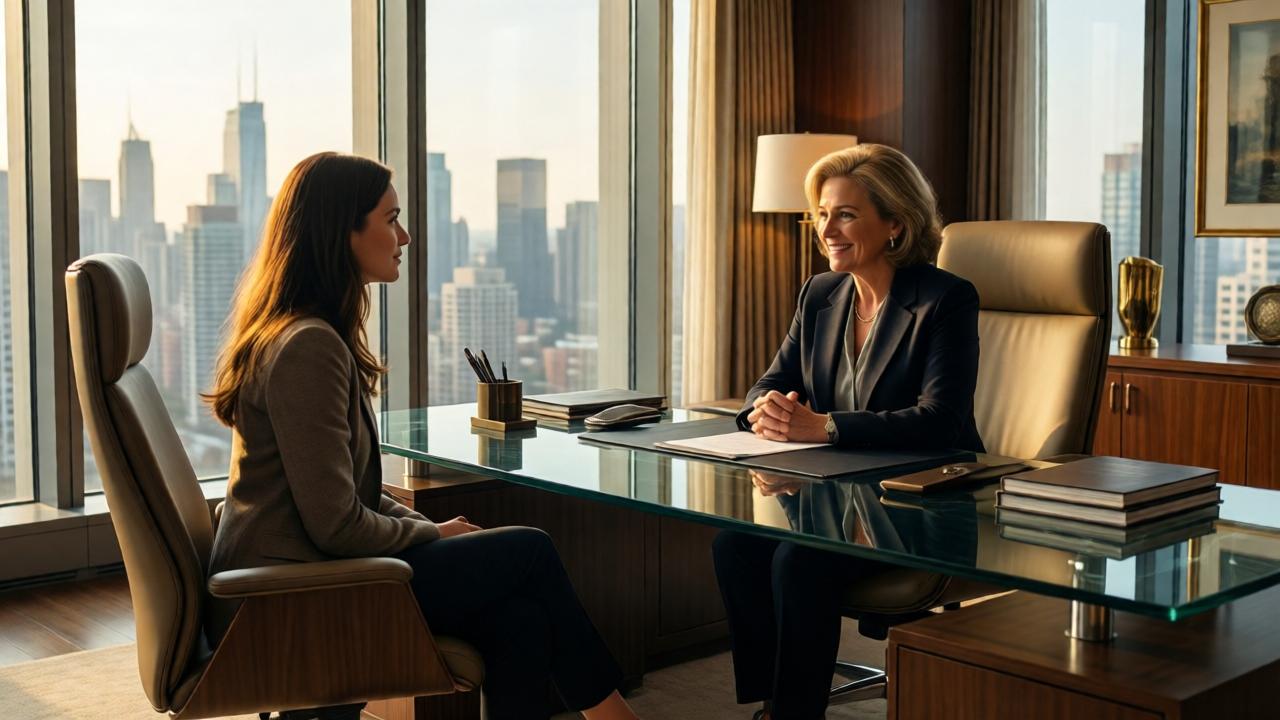
The CEO, whose name was Eleanor Vance, explained the elaborate, unorthodox hiring process. “For a role as sensitive as my personal assistant, I value integrity over a flawless resume. The ‘interview’ you missed was a formality. Your real interview happened at the curb of that street.” She handed Clare a formal contract. “The role involves high-stakes decisions and absolute discretion. I believe you have the compassion and resilience it requires. The world needs more people who do the right thing even when it costs them.”
Clare’s first weeks were a whirlwind. She was not fetching coffee, but analyzing reports, managing Eleanor’s complex schedule, and sitting in on meetings where millions were discussed. The senior manager who had once dismissed her now addressed her with respect. One afternoon, Eleanor called her in. “I have a new project for you,” she said, her eyes serious. “It’s called the ‘Second Chance Initiative.’ We’re going to use a portion of our corporate social responsibility fund to identify and support individuals who demonstrate exceptional kindness in their communities, people who help others without expectation of reward.”

- To provide seed funding for community projects started by everyday helpers.
- To offer mentorship and internship opportunities within the company.
- To create a platform sharing stories of unsung local heroes.
The initiative was a roaring success. Clare found profound purpose in her work, connecting with people whose stories mirrored her own moment of choice. She even reconciled with her father, who finally admitted, “I was wrong to hide that letter. I was just scared for you. But you saw a person in need, not a risk. I’m so proud.”
A year later, at the company’s annual gala, Eleanor took the stage. After acknowledging the year’s financial successes, she paused. “But our greatest achievement isn’t on this balance sheet,” she said, her gaze finding Clare in the crowd. “It’s the culture of humanity we’re building. It started with a simple cup of coffee and a young woman who chose kindness over convenience. Clare, will you join me?” As Clare walked up, the room erupted in applause. Eleanor handed her the microphone. “Thank you,” Clare said, her voice clear. “This journey taught me that our paths aren’t just about the destinations we race toward, but about the people we choose to be along the way. Sometimes, the door that seems to slam shut is just making way for a much bigger one to open.”
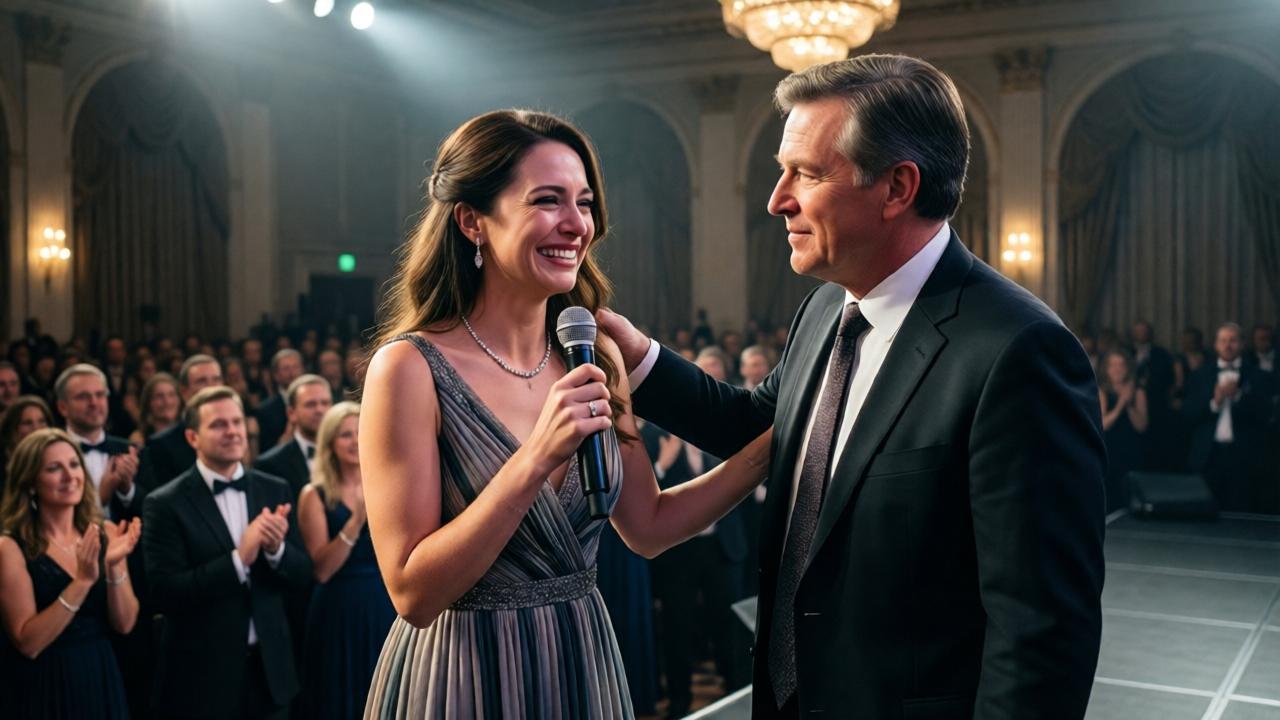
And so, the woman who missed a bus for a stranger found herself steering a company toward a brighter, kinder future, proving that the most impactful careers are often built not on ruthless ambition, but on the foundation of a single, selfless act.