

The second Joel walked in, Diane turned to Delia and said loud enough for everyone to hear, ‘You brought the carpenter? To a three million dollar reading?’ A few heads around the table shifted. Someone coughed. Nobody defended him. Joel sat down in a button-down shirt he’d ironed himself, hands folded, saying nothing. Diane leaned back like she’d already won. ‘3.2 million dollars is on this table, sweetheart. You really want to split that with someone who fixes furniture for a living?’
‘Honestly, Delia, what’s next? Bringing your landscaper to Thanksgiving?’ A few heads around the table nodded. Nobody spoke up for Joel. Nobody spoke up for Delia either. They just watched and waited to see what she would do. Gerald, the estate attorney, kept his eyes on the documents in front of him, a stoic island in the tense sea. Delia looked at Joel for a long moment, her gaze searching his calm face. Then she looked down at the polished mahogany. Then she said quietly, ‘Joel, can you wait outside for a few minutes?’
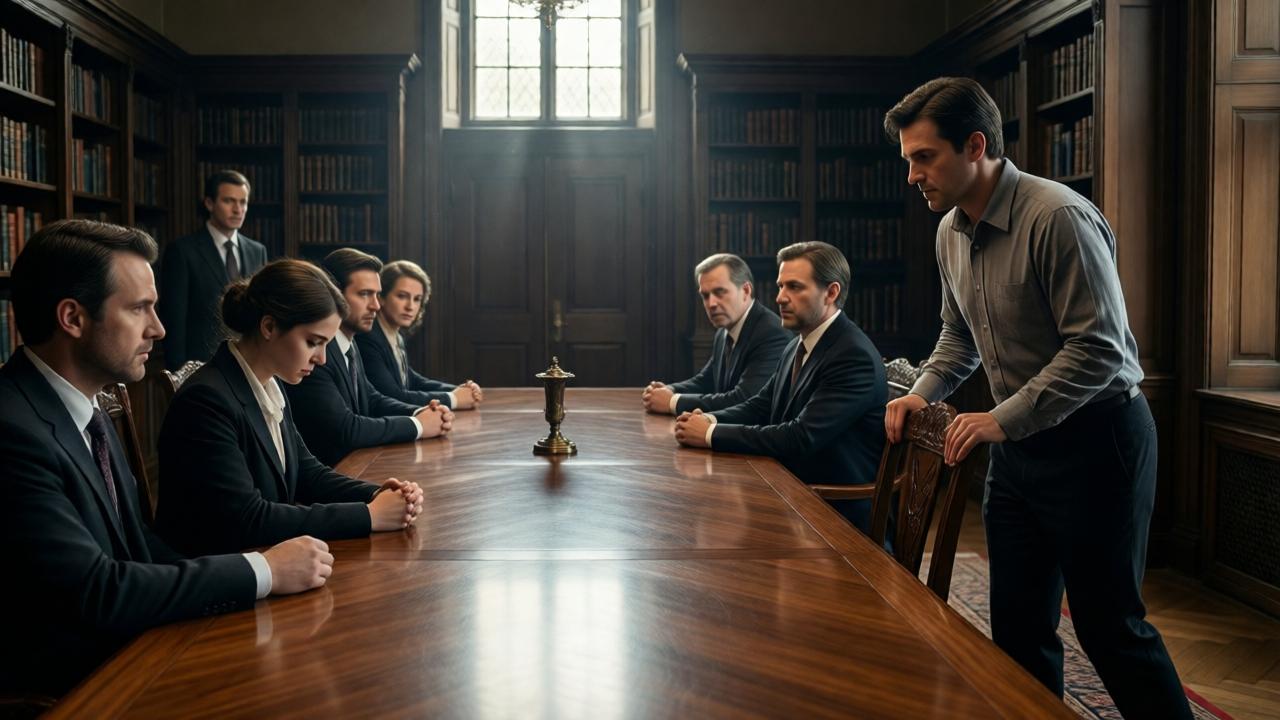
Joel didn’t argue. He didn’t look hurt. He just nodded once, pushed back his chair, and walked out. The door clicked shut behind him with a sound that seemed to echo in the sudden silence. Diane smiled, a thin, victorious curve of her lips. ‘Good. Now let’s talk about the real family business.’ Gerald did not smile. He turned to the last page of the document, one he had not yet read aloud, and cleared his throat with deliberate slowness.
‘Final clause,’ he announced, his voice devoid of all emotion. ‘Added by Eleanor six months before her passing.’ He read without looking up, his words falling like stones. ‘If Delia asks Joel to leave this room under pressure from family, the test is considered failed. The full estate transfers immediately to the charitable trust listed in Appendix C.’ The room stopped breathing. The air grew thick and cold. Diane’s smile froze, then shattered.
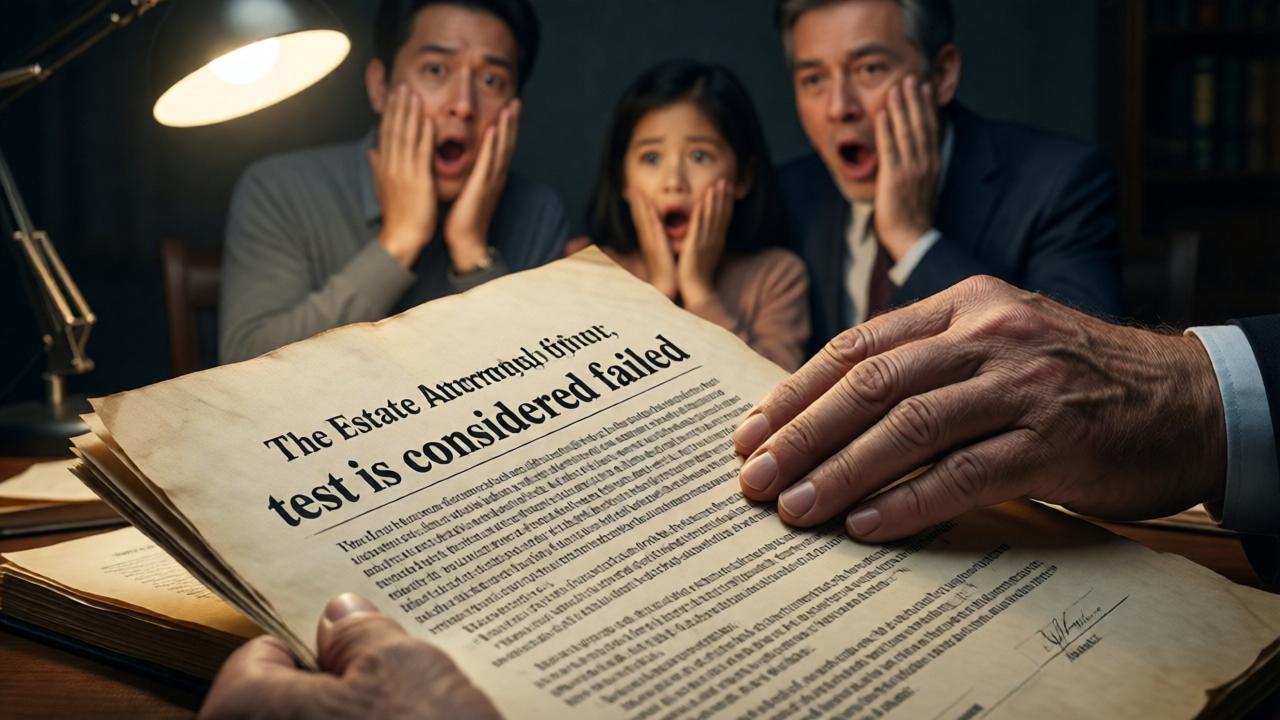
Gerald set the papers down flat, the sound unnaturally loud. ‘Mrs. Eleanor watched this family for a long time,’ he said, finally meeting the stunned eyes around the table. ‘She knew exactly who would show up with conditions.’ He paused, letting the weight of the words settle. ‘The condition was never about money. It was about character. Delia’s character.’ A collective gasp rippled through the room. The ‘family business’ was now a phantom.
Outside the heavy oak door, Joel stood by the window, watching the garden where he and Eleanor had often taken tea. He heard the muffled uproar begin—shouts of disbelief, Diane’s voice rising in furious protest. He didn’t turn. He simply waited, as he had been asked to. The true reading, it seemed, had just begun, and it was reading them all. The legacy Eleanor truly cared about—loyalty over greed, quiet integrity over loud entitlement—had just been activated, and its executor was the man they had just sent away.

Back in the library, Delia finally lifted her head. The shock was receding, replaced by a dawning, painful understanding. Her grandmother hadn’t been testing her loyalty to the family fortune, but her loyalty to her own choices, to the people she valued. She looked at the empty chair where Joel had been. ‘Gerald,’ she said, her voice clear now. ‘What happens next?’ The attorney allowed himself a small, almost imperceptible nod. ‘That,’ he said, ‘is now entirely up to you.’ The real inheritance was not in the bank, but in the choice she would make when she opened that door.