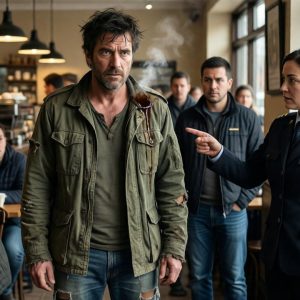

The air in the small cafe was thick with the scent of yesterday’s grounds and quiet desperation. At 6 a.m., the billionaire found the owner, Marco, already there, staring at a ledger that told a brutal story: $312 in sales against a $3,800 rent. Marco rubbed his tired face, his voice a defeated whisper. “If one more month goes like this, I’m done.” The billionaire, a man of few words, simply ordered a black coffee. After one deliberate sip, he cut to the heart of the matter. “How much do you make a month?” Marco’s reply was hollow: “About $8,000 in revenue. No profit.” The billionaire nodded slowly. “You’re selling coffee,” he stated. “You’re not running a business.”
Marco bristled. “I work 14 hours a day!” “That’s exactly why you’re stuck,” the billionaire replied, his tone not unkind, but factual. Then he delivered the shocking prescription. “Tomorrow, give the coffee away for free.” Marco froze, the suggestion feeling like a death sentence. “Free coffee will kill me!” he protested. The billionaire’s smile was enigmatic. “You’re already dying. This will save you.” With that, he left, leaving Marco with a choice between certain failure and a leap of faith into the absurd.
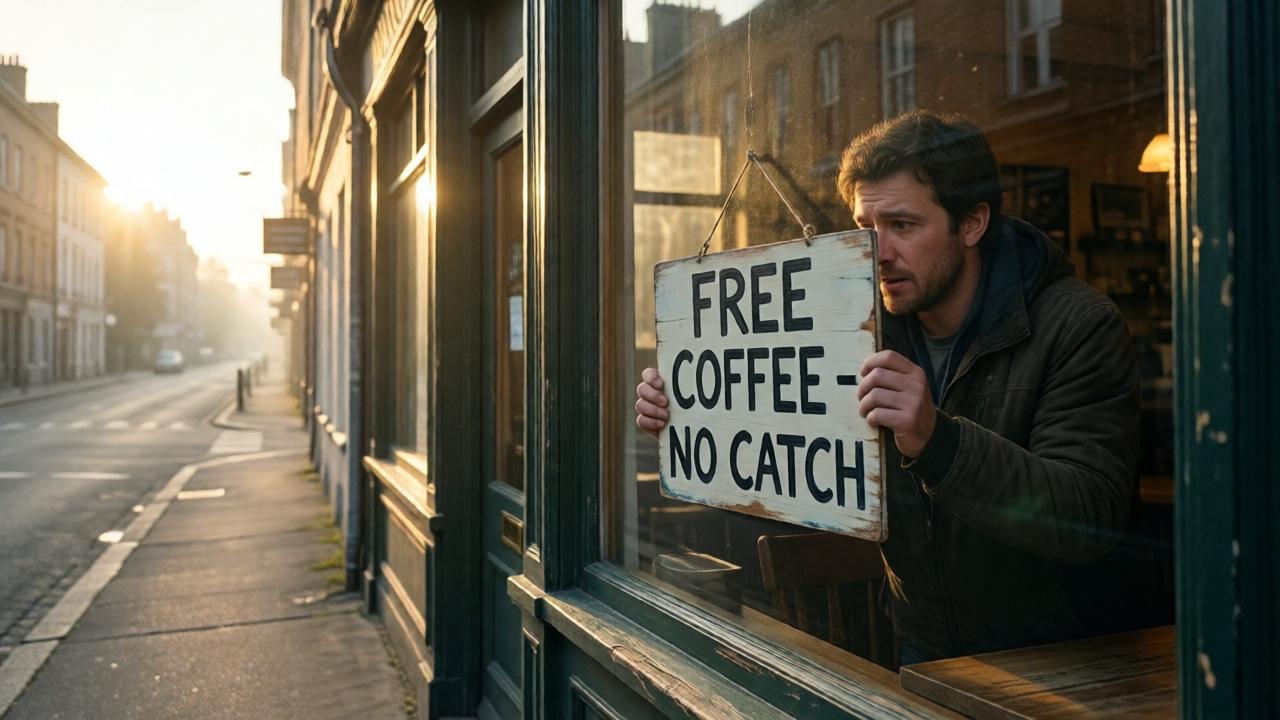
The next morning, the sign went up. People stopped, skeptical. They peered in, walked in, and the cafe began to fill. Something strange and wonderful happened: people stayed. They lingered, they talked. The hum of conversation replaced the silence. “Do you have snacks?” “Yes, $4.” “Can I get an extra espresso shot in this free latte?” “Yes, $2.” “What about Wi-Fi?” “Free for 30 minutes. Unlimited for $5.” By day’s end, the register told a new story: $780 in revenue. The coffee was free, but the system, as the billionaire promised, was not.
When the billionaire returned, he found a transformed Marco, no longer weary but buzzing with energy. “Explain it to me,” Marco pleaded. The billionaire laid it out on a napkin. “Every day, 300 people come for the free coffee. If 40% buy something else—a pastry, an upgrade, Wi-Fi—that’s 120 customers. At an average of $8 each, that’s $960 a day. Multiply by 30 days: $28,800 a month. Now, add memberships for priority seating and premium blends at $25 a month. Get 400 people to join? That’s another $10,000. Then, host paid events: poetry readings, coffee workshops. The total soars past $50,000 a month.” Marco finally saw it. He hadn’t been selling coffee; he’d been selling a chair, an experience, a community. The coffee was merely the invitation.
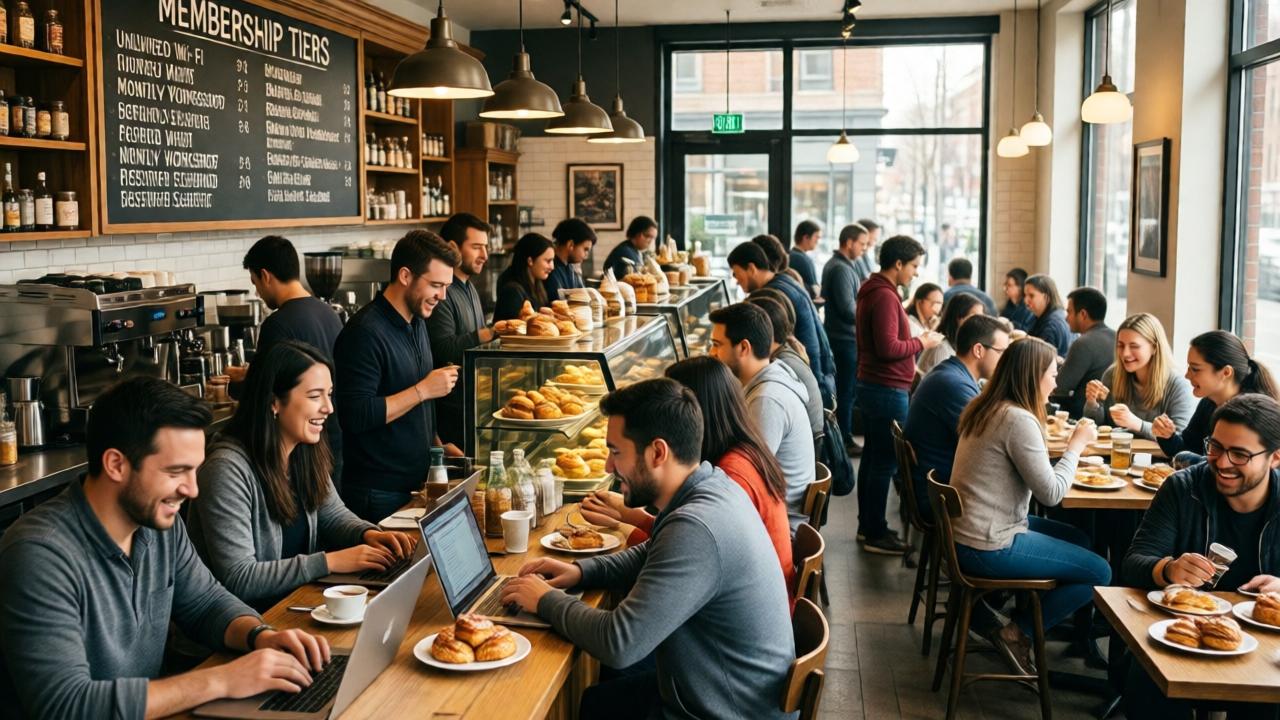
This was the core lesson the billionaire imparted for Part Two. “The initial success is just proof of concept,” he told Marco over a (free) cappuccino. “Now we systematize. Poor minds ask, ‘How much can I charge for this cup?’ Rich minds ask, ‘How many ways can this space, this traffic, this trust, make money?’ Money doesn’t chase hard work alone; it chases scalable, repeatable systems.” Marco began to see avenues everywhere. The back room could be a co-working hub. The brand could sell curated coffee beans online. Loyal customers could become affiliate promoters.
The final piece of the billionaire’s advice was about leverage. “Your 14-hour days built a job for yourself. A system builds an asset that works for you,” he said. Within a year, Marco’s cafe, now named ‘The Free Press,’ had three locations. He wasn’t just a barista; he was a curator of experiences. The original location hosted weekly jazz nights and barista classes, all premium ticketed events. The membership community, now in the thousands, provided recurring revenue that made rent a trivial concern.

The billionaire’s visit that first morning wasn’t an accident; it was an intervention in business philosophy. Marco learned that value is not a single transaction but an ongoing relationship. By giving away the core product, he removed the biggest barrier to entry and filled his space with potential. Every person who walked in for free coffee was walking into his ecosystem. The ending wasn’t just a saved cafe; it was the birth of a mindset. The most valuable currency wasn’t in the register—it was the attention, time, and trust of the crowd, and Marco had learned, once and for all, how to build a system to monetize it.