The paper felt heavy in his hands, heavier than any gift he had ever held. Standing in the quiet of his recovered bedroom, the young man read his mother’s words again: ‘I gave you my heart. Take care of it.’ For a long moment, the world stopped. The beeps of hospital monitors, the smell of antiseptic, the blur of his seventeenth year spent in a twilight between life and death—it all faded against the stark truth of that sentence. His mother had not just nursed him back to health; she had offered the very core of her being. “But how?” he whispered to the empty room, the question hanging in the air, unanswered by the letter.
The days that followed were a strange new normal. He was physically stronger, but emotionally adrift. Every time his mother smiled, he saw the shadow of the fear she must have endured. Every time she fussed over his meals, he wondered if she was checking on her investment. One afternoon, as she was gardening, he finally found the courage to ask. “Mom, the letter… what did you mean? You can’t give someone your actual heart.” She put down her trowel, her eyes soft but serious. “No, not the muscle in your chest,” she said, wiping her hands on her apron. “I gave you my courage, my hope, my will to fight. When you had none left, I lent you mine. That’s what a mother’s heart is for.”
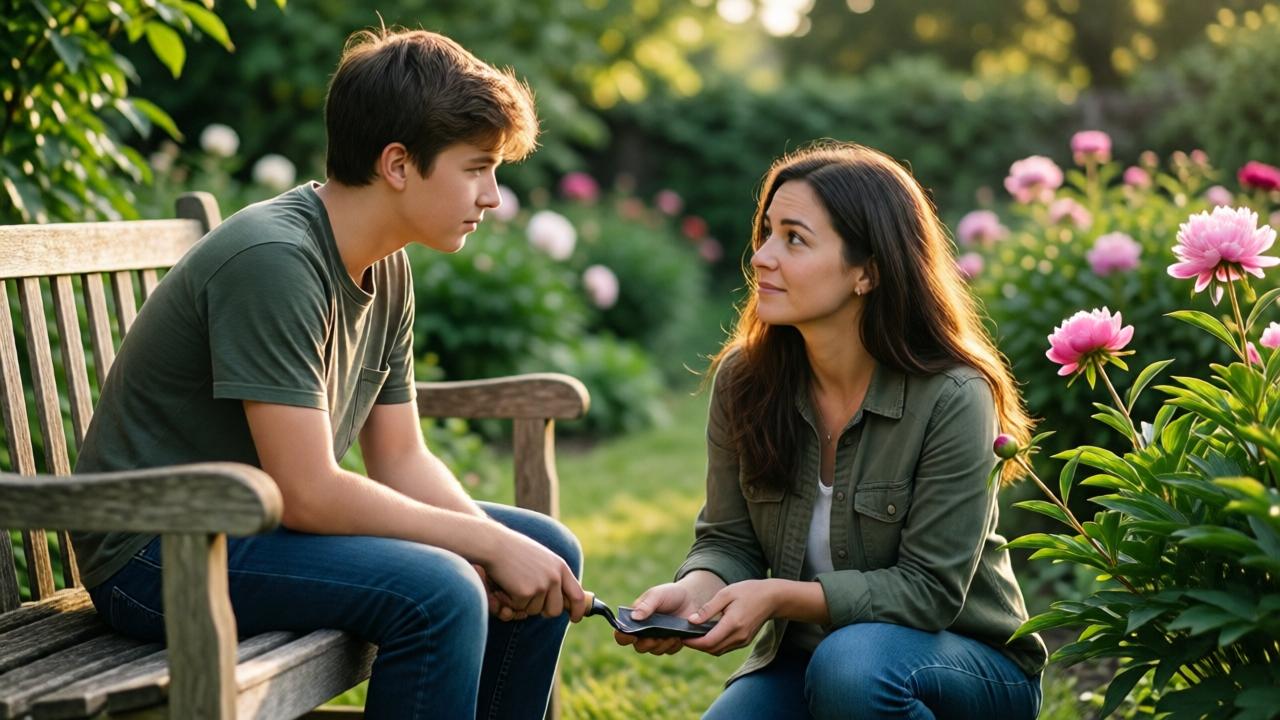
Her explanation was a beginning, but the true understanding unfolded slowly. He started noticing the sacrifices—the extra shifts she had picked up, the circles under her eyes she tried to hide, the way she listened to his heartbeat with her ear against his chest long after the doctors had cleared him, as if ensuring her own rhythm was still steady within him. He began to realize that her gift was not a one-time transaction but a continuous, living trust. The heart she gave him was not a replacement, but a foundation upon which he was to build his own strength.
Years passed. The boy became a man, carrying his second chance with a profound sense of duty. He pursued a career in cardiology, driven by a desire to understand the magnificent organ that had nearly failed him and the metaphorical one that had saved him. His mother’s heart, he learned, was resilient. It was in the patience she showed when he struggled with his studies, and in the fierce pride that lit her face at his medical school graduation. “You see?” she said, hugging him tightly that day. “It was always meant to beat for you.”
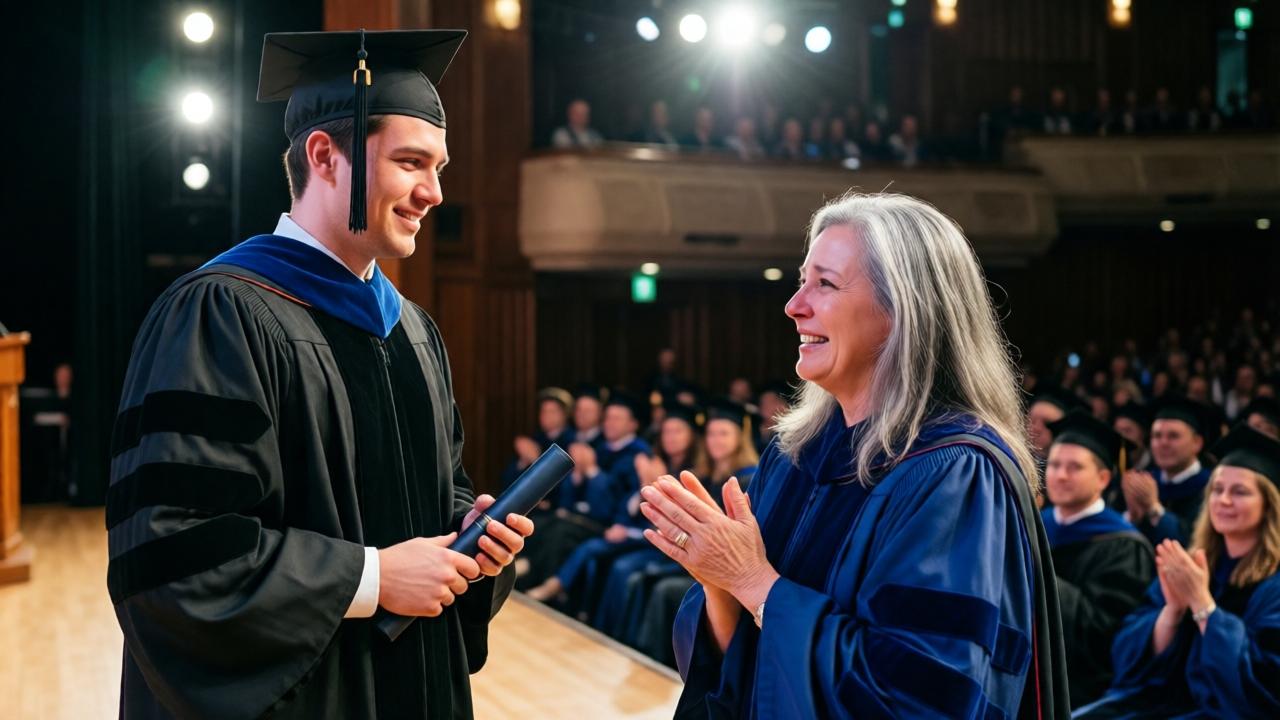
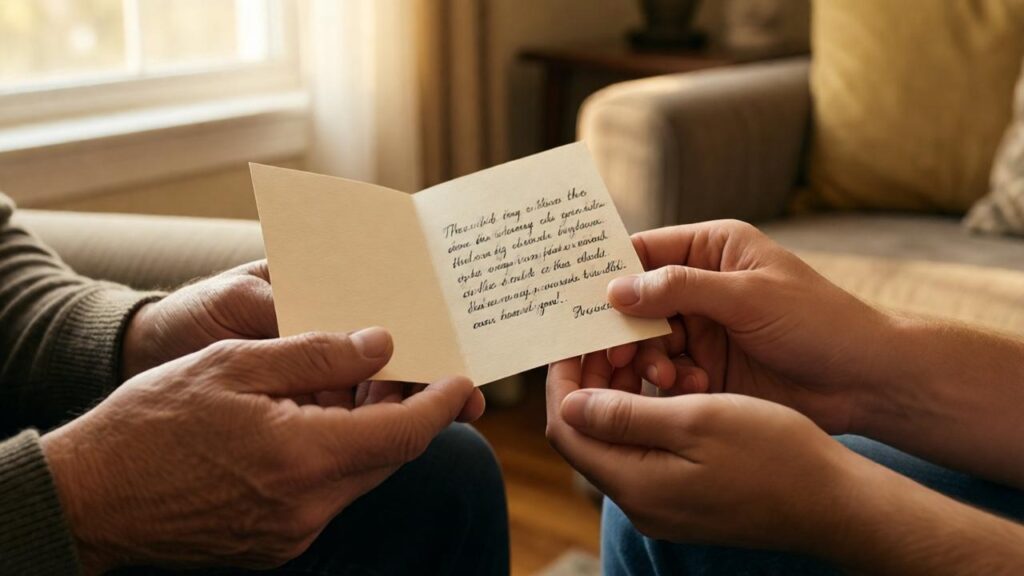
The story, however, had one final, beautiful turn. On the day he became a doctor, he presented his mother with a small, wrapped box. Her hands trembled as she opened it to find not jewelry, but a handmade card. Inside, in his now-steady handwriting, he had written: ‘For my eighteenth birthday, you gave me your heart. For every birthday since, you have helped me learn how to use it. Today, I promise to use it to help others. This gift now beats in two chests. Happy birthday to us both.’ They cried then, not tears of fear or pain, but of a cycle completed—a gift given, received, understood, and now, paid forward.
And so, the mother’s promise on that long-ago eighteenth birthday became a living legacy. It was a lesson that the most precious gifts are not wrapped in paper, but in sacrifice; not kept in boxes, but carried in actions. The heart she gave him never weakened—it only grew stronger, its rhythm echoing in every kind word he spoke, every patient he healed, and every time he, too, chose to love without limits. Her final line, ‘Take care of it,’ was no longer an instruction, but a description of the life he now lived.