

The music had stopped, but the laughter in the office party hall was deafening. Elena stood frozen in the center of the dance floor, the synthetic fibers of her fallen wig coarse under the disco lights. A single, terrible second of silence had shattered into a cacophony of jeers. Reed, the office jester, had seized the moment, snatching the wig from the polished floor and holding it aloft like a trophy. “Wow, Elena, what is this, Halloween already?” he smirked, his voice cutting through the noise. “This is just a company party, are you trying to get attention? Or did you just shave your head?”
The room, emboldened, erupted again. A woman from accounting leaned in, her voice a stage whisper meant for all to hear. “She’s so young, how is she already bald? Is she sick or something?” Reed, basking in the cruel spotlight, didn’t miss a beat. “Well everyone, better keep your distance,” he laughed, “stand too close and your hair might fall out too.” With a final, dismissive flick of his wrist, he tossed the wig back to the floor. The laughter crested once more as Elena, her face a mask of pale shock, bent down. She retrieved the wig, clutched it to her chest, and walked out without a word, a silent exit punctuated by the flashes of smartphone cameras capturing the ‘hilarious’ moment.

The next day, Elena’s desk was conspicuously empty, a silent monolith in the buzzing office. “So,” someone chuckled by the coffee machine, “did she finally go get a hair transplant?” A few nervous titters followed. On the third day, the silence from her cubicle began to feel heavier. Reed, attempting to brush off a growing unease, frowned at his computer screen. “You don’t think she quit just because we laughed at her, right?” he asked the room. No one answered. The guilt, a cold, creeping thing, had begun to weave its way through the team.
That evening, driven by a mix of morbid curiosity and dawning remorse, Reed convinced a few others to drive to Elena’s apartment. “We’ll just check on her,” he said, his usual bravado thin. “Apologize, maybe. It was just a joke.” The car ride was quiet, the earlier laughter a distant, ugly memory. When they turned onto her street, the scene ahead made their blood run cold. The flashing red and blue lights of an ambulance and a police car painted the quiet building in stark, urgent strokes.
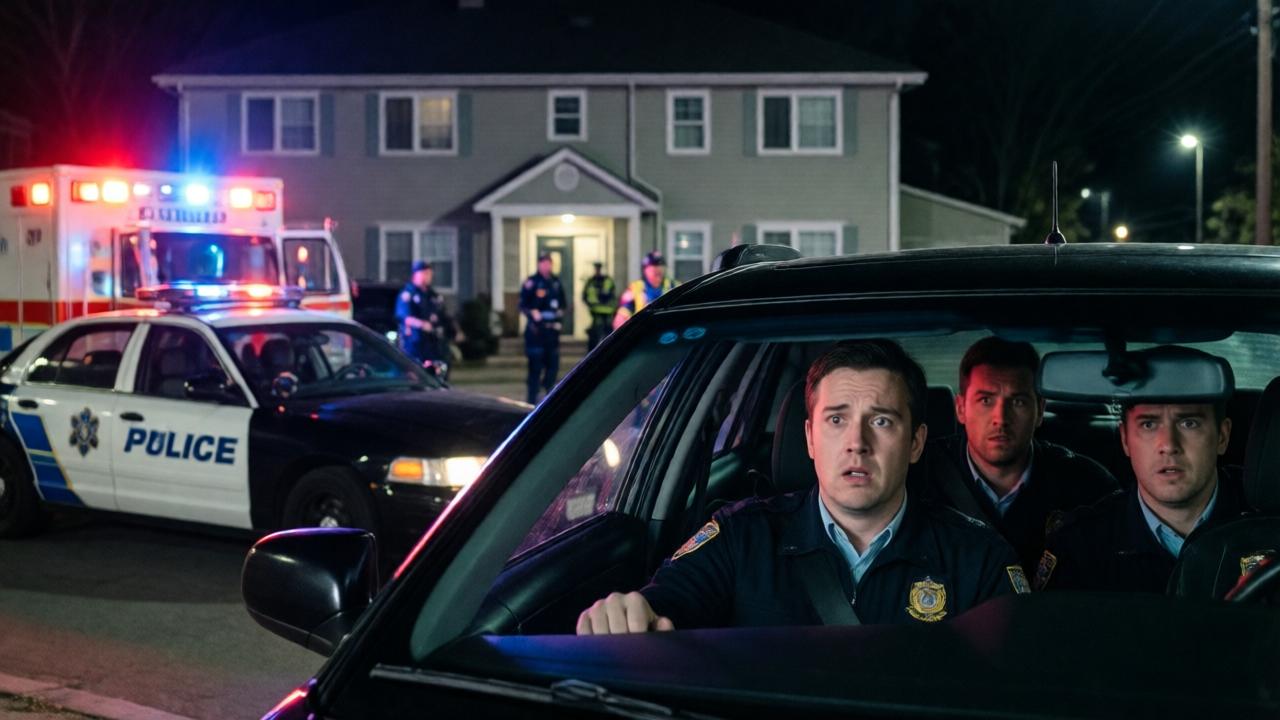
They stumbled out of the car, their jokes dying in their throats. A paramedic was speaking quietly to a police officer by the open ambulance doors. Reed approached, his voice uncharacteristically small. “We’re… we’re co-workers of Elena. Is she…?” The paramedic’s look was grave. “Are you family?” he asked. When they shook their heads, the officer stepped in. “The resident was transported to County General earlier. She’s stable, but you can’t go up.” He then glanced at a notepad. “Medical emergency. The neighbor who called it in said she found her collapsed in the hallway.”
The word ‘chemotherapy’ hung in the air, unspoken but suddenly, horrifyingly obvious. The wig, the pale complexion they’d mistaken for shock, the missed work—it all clicked into a devastating picture. Reed felt the floor lurch beneath him. His ‘joke’ about standing too close replayed in his mind, now sounding monstrous. The female co-worker who had whispered about illness covered her mouth, her eyes wide with horror. They had filmed her humiliation, laughed at her vulnerability, all while she was fighting a battle they knew nothing about. The silence that fell among them now was infinitely heavier than the one at the party. It was the silence of shame.
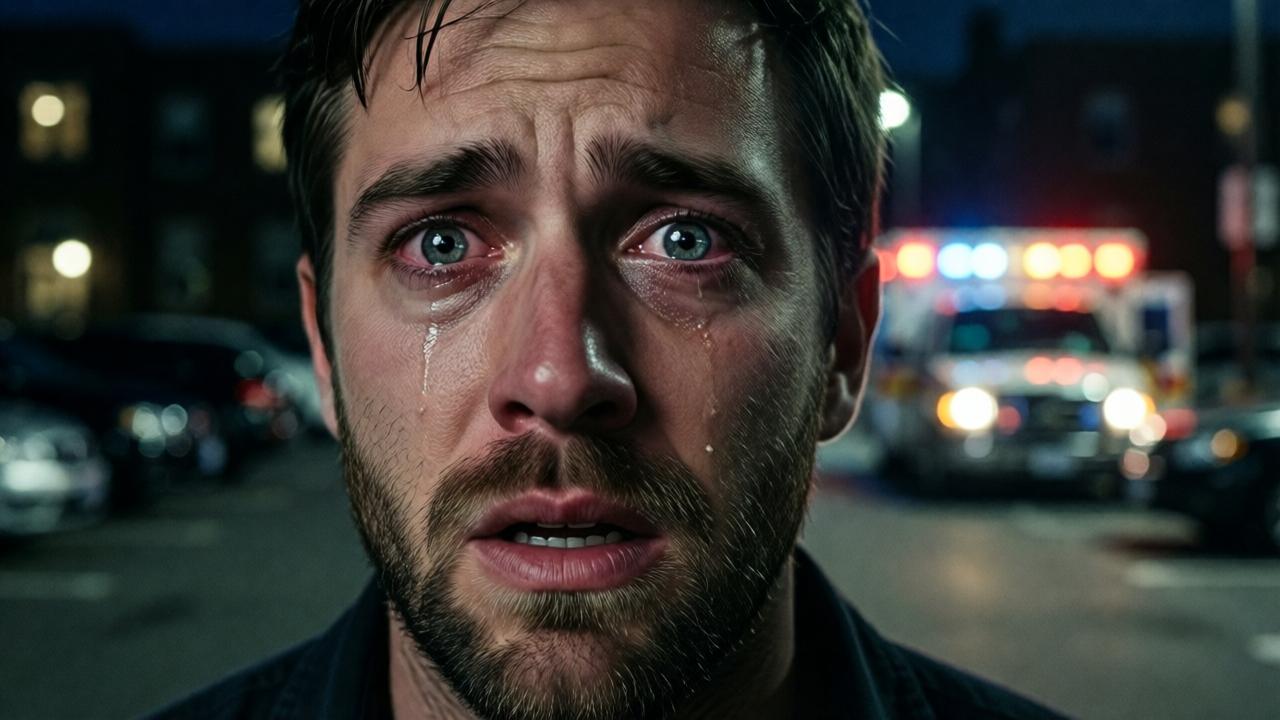
Standing there on the cold asphalt, the group made a silent pact. The videos were deleted from phones before anyone said a word. The next morning, the office gossip ceased. Instead, a card began to circulate, not signed with names but filled with simple, sincere messages of support. They didn’t know if Elena would ever return, or if she would ever forgive them. But the laughter had stopped. In its place was a painful, necessary lesson learned in the harsh glow of ambulance lights: you never know what silent war someone is fighting beneath the surface, and a joke can sometimes be the cruelest weapon of all.