
Reducing water retention: Natural ways to relieve swelling is a concern for many people over 50. Mild swelling in the legs, feet, or hands can be uncomfortable in daily life and affect well-being. This article provides calm, practical tips on lifestyle habits and measures that can help in everyday life without making quick promises.
Common Causes of Water Retention and Fluid Retention
Water retention, also known as edema, often arises from a combination of age, lifestyle, and certain medications. Changes in the circulatory system and lymphatic system can contribute to fluid accumulation in tissues.
Common triggers include:
- Prolonged sitting or standing, which can hinder blood return.
- A salt-rich diet that affects fluid balance.
- Hormonal changes and age-related vascular changes.
- Some medications or existing chronic conditions (here, medical advice is important).
Everyday Habits That Can Help Reduce Swelling
Small changes in daily life can have a positive effect. The following tips are intended as gentle support and do not replace medical advice.
Nutrition and Fluid Intake
A balanced diet and adequate fluid intake are important to support natural balance. Moderately reduce salt intake by eating less processed foods and being more sparing with seasoning.
Recommendations for daily life:
- Drink water regularly. Adequate fluid intake can paradoxically help reduce excess water retention.
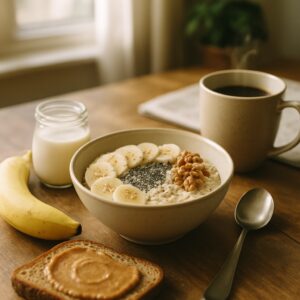
- Focus on fruits and vegetables with high water content as well as potassium-rich foods like bananas or potatoes, which can support electrolyte balance.
Keep an Eye on Weight and Blood Pressure
A stable body weight and controlled blood pressure contribute to overall vascular health. Small, sustainable adjustments in diet and exercise can be helpful here.
Movement, Posture, and Everyday Tips to Relieve Swelling
Movement and simple posture corrections promote venous return and lymph flow. For people over 50, gentle, regular activities are best suited.
Gentle Movement and Mobility
Walking, swimming, and cycling are joint-friendly ways to stimulate circulation. Also, short walks several times a day are beneficial.
Specific tips:
- Avoid prolonged sitting; stand up briefly every 30 to 60 minutes and take a few steps.
- Do simple foot and leg exercises while sitting, such as rotating ankles or raising and lowering heels.
Elevating and Compression
If legs or feet are swollen, elevating the legs above heart level for a short time can be supportive. Wearing appropriate compression stockings can also promote return flow – seek professional advice for this.
When to Be Alert and Seek Medical Advice
For occasional, mild swelling, the mentioned measures can be helpful. However, it is important to watch for warning signs that require clarification.
Seek medical advice if:
- Swelling occurs suddenly or increases rapidly.
- Accompanying symptoms such as shortness of breath, severe pain, or redness occur.
- Changes persist over a longer period or significantly restrict daily life.
A doctor can clarify the cause and discuss appropriate steps with you. This may also include reviewing medications or existing health issues.
Practical Routines for Everyday Life
Regularity is often more helpful than short-term measures. Small routines can be better integrated into daily life and have a more sustainable effect.
- Incorporate short movement sessions into your daily routine, such as after breakfast or before dinner.
- Schedule fixed times for elevating your legs, for example while reading or watching TV.
- Keep a small drinking log if you notice that you are drinking too little.
Water retention does not have to be a part of normal daily life. With gentle changes in diet, movement, and habits, as well as mindful observation of your own symptoms, improvements can often be achieved. If you are unsure, talk to your family doctor to find individually suitable and safe steps.