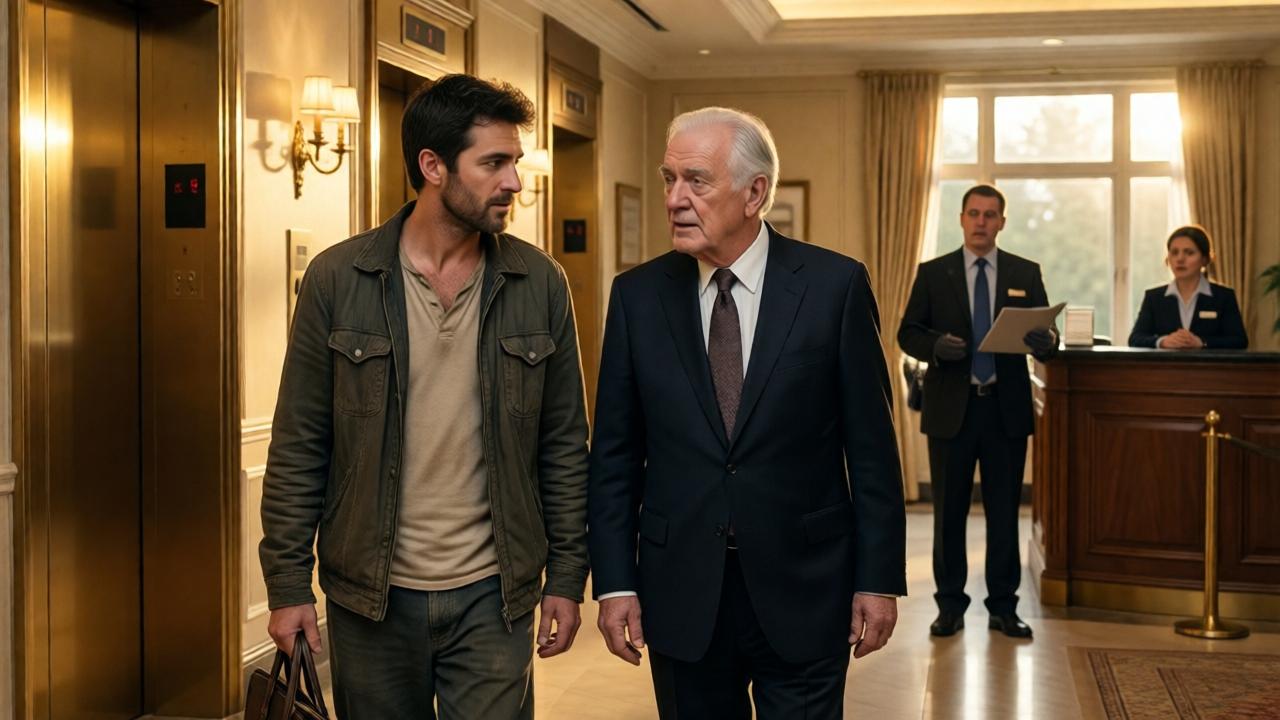

The head of security sneered and pointed a thick finger at my chest. “Look at you, dressed like you just crawled out of a dumpster. A shareholder? Don’t make me laugh. We don’t take trash here. Go back to your dumpster.” I didn’t even get the chance to explain before the manager, emboldened by the guards, shoved me hard. The world tilted, and I fell to the ground, the cold marble floor a shocking contrast to the heat of my humiliation. That day, I had walked into the gleaming private office building of Sterling Holdings with purpose, but not a single person wanted to receive me. All they saw was a faded old outfit, worn jeans, and scuffed boots. I knew I looked poor, but I had never been ashamed of how I looked—until that moment, when prejudice wore a suit and tie.
Picking myself up, I walked to the reception desk, holding down a volcano of anger in my chest. “I’m sorry for the disturbance,” I said, my voice deceptively calm. “I am here for the board meeting on the 9th floor.” The receptionist looked up, her eyes performing a slow, dismissive scan from my worn shoes to my unkempt hair. Her professionally polite mask melted into pure disdain. “Sir, this is a private building,” she said, the disrespect dripping from each syllable. “You are clearly in the wrong place.”
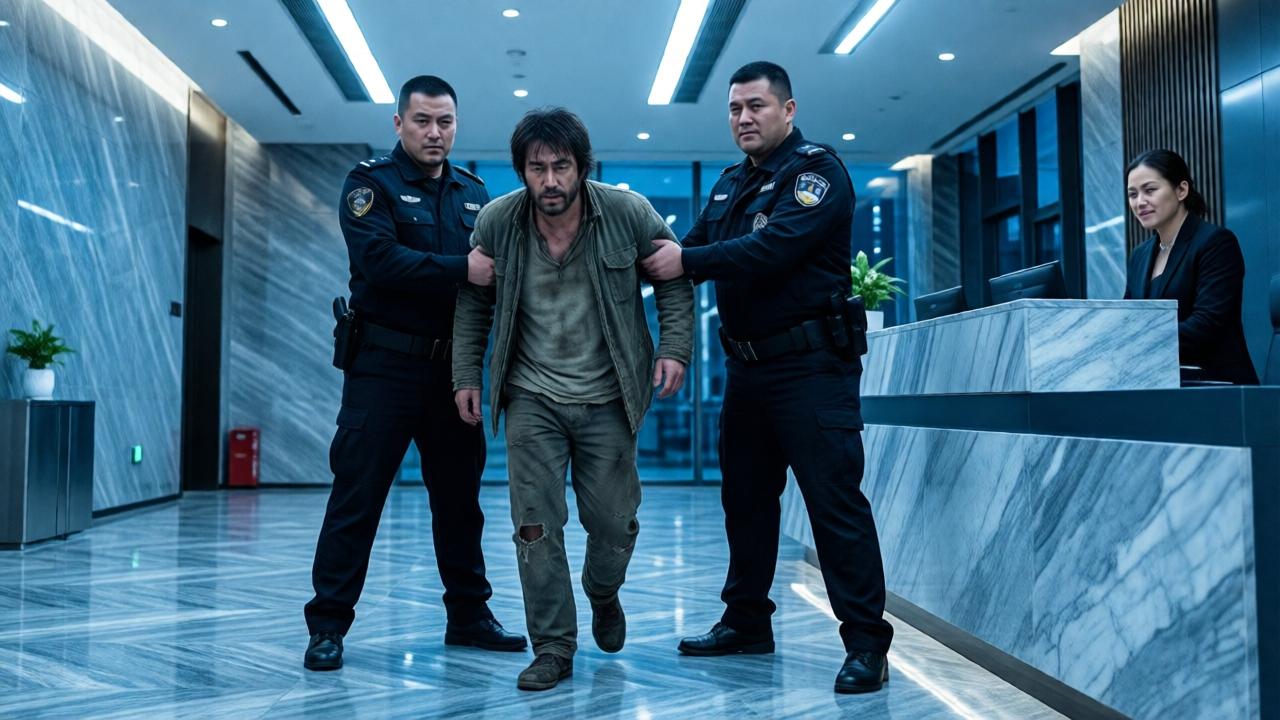
“I’m not,” I replied, my tone quiet but iron-clad. “I have every right to attend that meeting.” The security manager, who had been watching with amusement, let out a short, sarcastic laugh. “What right? The right to make a scene?” He didn’t hesitate, jabbing a button on his radio. “Security to main lobby. Remove this man. Now.” Two guards materialized instantly, their hands rough as they grabbed my arms. “Move along, buddy. Don’t come here to disgrace yourself,” one grunted. I struggled against their grip. “Let me go!” I shouted, the anger finally breaking through. “I’m a shareholder!” My declaration echoed in the vaulted lobby, met only with more derisive laughter.
As they dragged me towards the grand glass doors, a strange calm settled over me. The indignity of it all—the shove, the sneers, the assumption that my worth was tied to fabric—crystallized into a cold resolve. They thought they were removing trash. They had no idea they were handling a live wire. Just as my feet scuffed against the threshold, a clear, authoritative voice cut through the commotion. “What is the meaning of this? Unhand him immediately.” All movement ceased. The guards’ grips loosened in confusion. I turned to see an elderly man in an impeccably tailored suit standing by the elevator bank, his expression one of thunderous disapproval. It was old Mr. Alden, the company’s founding chairman and the one man I had come to see.
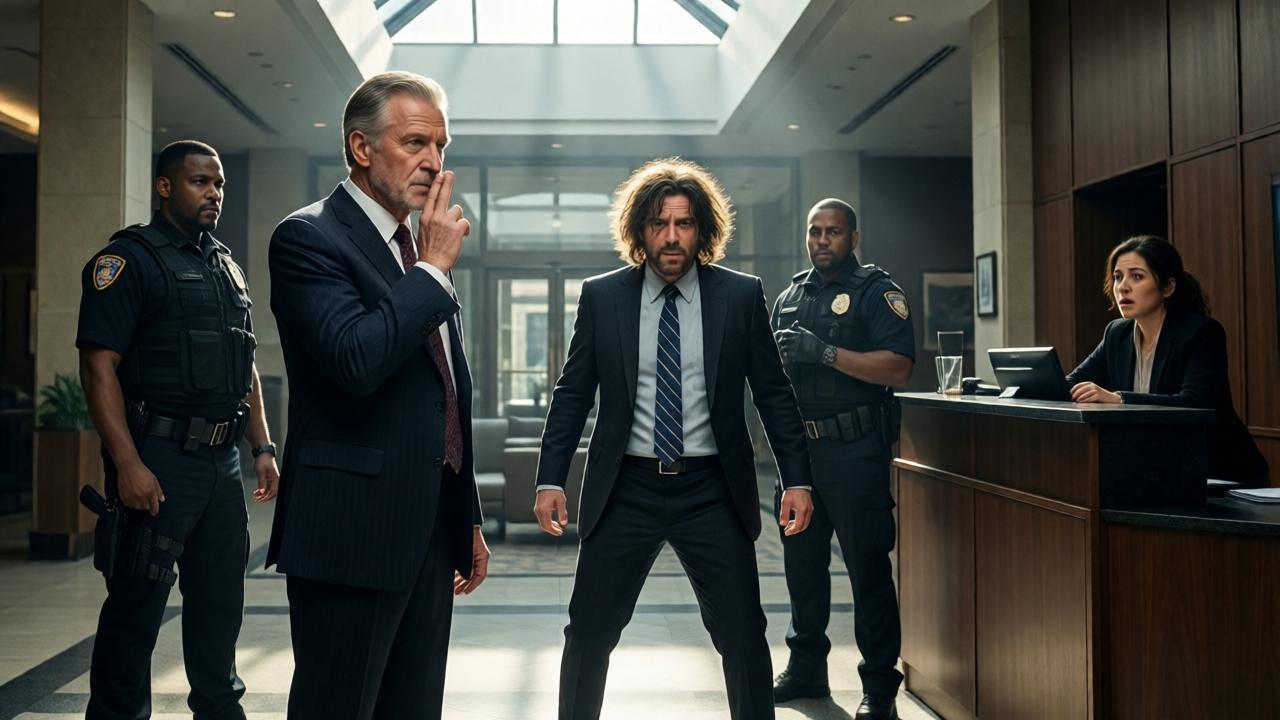
The lobby fell into a stunned silence. The security manager stammered, “Chairman Alden, sir, this… individual was causing a disturbance. Claiming to be a shareholder.” Mr. Alden’s eyes, sharp as flint, moved from the manager to me. A flicker of recognition, then profound disappointment, crossed his face. He walked forward, the click of his shoes the only sound. “His name is Michael Thorne,” Alden said, his voice low but carrying to every corner. “And he holds a controlling twelve percent stake in this company, inherited from his mother, my late business partner.” The color drained from the receptionist’s face. The security manager looked as if he’d been struck.
Alden stopped in front of me, ignoring everyone else. “Michael, my boy. I’ve been expecting you. I apologize for this… reception.” He then turned his glacial gaze back to the assembled staff. “You are all suspended, pending review. You judged the book by its cover, and in doing so, you nearly cost this company its largest silent investor.” He placed a hand on my shoulder. “Shall we go to the boardroom? I believe you have some votes to cast.” As we walked toward the elevator, past the shell-shocked employees, I didn’t feel vindication. I felt a weary clarity. The real meeting was just beginning, and the agenda had been rewritten the moment I hit the floor.